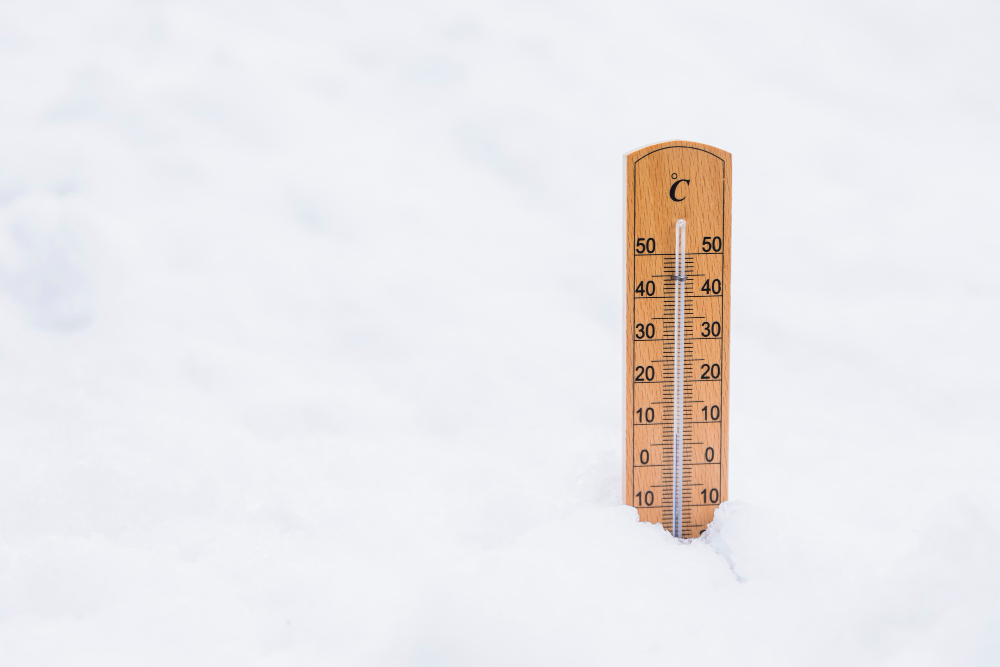

Electrical panels installed outdoors are often required to operate in complex environmental conditions. Among these, low temperatures represent one of the most critical factors, especially when exposure to cold is continuous and prolonged. In industrial, infrastructure, or energy contexts, an outdoor electrical panel must ensure consistent performance even in the presence of frost, snow, wind, and significant temperature fluctuations.
Designing electrical panels for low temperatures means addressing a series of technical challenges involving materials, components, enclosures, thermal management, and regulatory compliance. A standard approach is not sufficient: specific design criteria must be adopted to ensure long-term reliability and continuity of service.
The impact of low temperatures on the operation of electrical panels
Intense cold directly affects the behavior of electrical and mechanical components. Low temperatures can alter material properties, causing stiffening, contraction, and dimensional changes that impact sealing and alignment.
From an electrical standpoint, some devices may experience slowdowns or malfunctions if used outside their specified temperature range. Relays, contactors, circuit breakers, and electronic control systems are particularly sensitive to these conditions. In addition, there is the risk of condensation, which occurs especially during on/off cycles or rapid temperature variations.
An outdoor electrical panel designed without considering these aspects may face premature failures or a gradual reduction in overall system reliability.
Designing outdoor electrical panels for cold environments
The design of outdoor electrical panels intended to operate at low temperatures must begin with an analysis of the actual environmental conditions. Knowing the theoretical minimum temperature is not enough: it is necessary to evaluate the duration of cold exposure, the presence of wind, humidity, snow, and ice, as well as the frequency of temperature fluctuations.
One of the key elements is internal temperature management. In many cases, controlled heating systems must be provided, such as anti-condensation heaters or thermostatically controlled devices capable of maintaining suitable operating conditions for internal components. These systems are not intended to heat the surrounding environment, but to prevent critical situations related to frost and moisture.
The design must also take maintenance into account. In cold environments, interventions are more complex and costly; therefore, it is important to minimize the need for access and to facilitate inspection operations.
Materials and enclosures for outdoor electrical panels
The enclosure of the electrical panel plays a decisive role in resistance to low temperatures. The materials used must guarantee mechanical stability even under prolonged freezing conditions, avoiding deformation or structural failure.
Particular attention must be paid to gaskets. At low temperatures, unsuitable materials may lose elasticity, compromising the panel’s protection rating. Choosing gaskets specifically designed for cold environments is essential to maintain sealing against water, dust, and atmospheric agents.
Elements such as hinges, locking systems, and accessories must also be selected for outdoor use, avoiding solutions that could seize or deteriorate over time due to cold exposure.
Protection rating and regulatory requirements
Outdoor electrical panels installed in cold environments must comply with specific regulatory requirements, both in terms of electrical safety and environmental resistance. The IP protection rating represents an initial reference, but on its own it is not sufficient to guarantee suitability in severe climatic conditions.
It is also necessary to consider certifications related to operating temperature ranges and environmental testing. Standards define clear criteria for the design and verification of electrical panels intended to operate in extreme conditions, providing a useful framework to ensure reliability and compliance.
Integrating these requirements from the early design stages helps avoid later corrective interventions and reduces operational risks.
Component selection for low temperatures
Component selection is a crucial aspect when designing electrical panels for cold environments. Not all devices available on the market are suitable for operation at very low temperatures, particularly control electronics and communication systems.
It is important to select components certified for a wide temperature range and to verify that the declared performance matches the actual operating conditions. Wiring, terminals, and connection systems must also be carefully chosen to prevent stiffening or breakage caused by cold.
Proper component selection significantly contributes to service continuity and to reducing system downtime.
Reliability and operational continuity in severe climatic conditions
In environments characterized by low temperatures, the reliability of outdoor electrical panels becomes strategic. A failure under harsh weather conditions can result in long restoration times and high costs, especially at remote sites or in critical infrastructure.
For this reason, the design must focus on robust solutions that are easy to monitor and capable of preventing the main causes of failure. Reliability is not the result of a single technical choice, but of a consistent set of design decisions involving the entire system.
A durability-oriented design approach
Designing outdoor electrical panels for low temperatures requires an integrated approach that simultaneously considers electrical, mechanical, and environmental aspects. The objective is not only to guarantee immediate operation, but to ensure consistent and predictable performance over time.
An electrical panel designed according to appropriate criteria for cold environments represents an investment in reliability, safety, and operational continuity—key elements for any industrial or infrastructure application exposed to severe climatic conditions.